by lonflscradmin | Oct 8, 2026 | FAQs, floor screeding
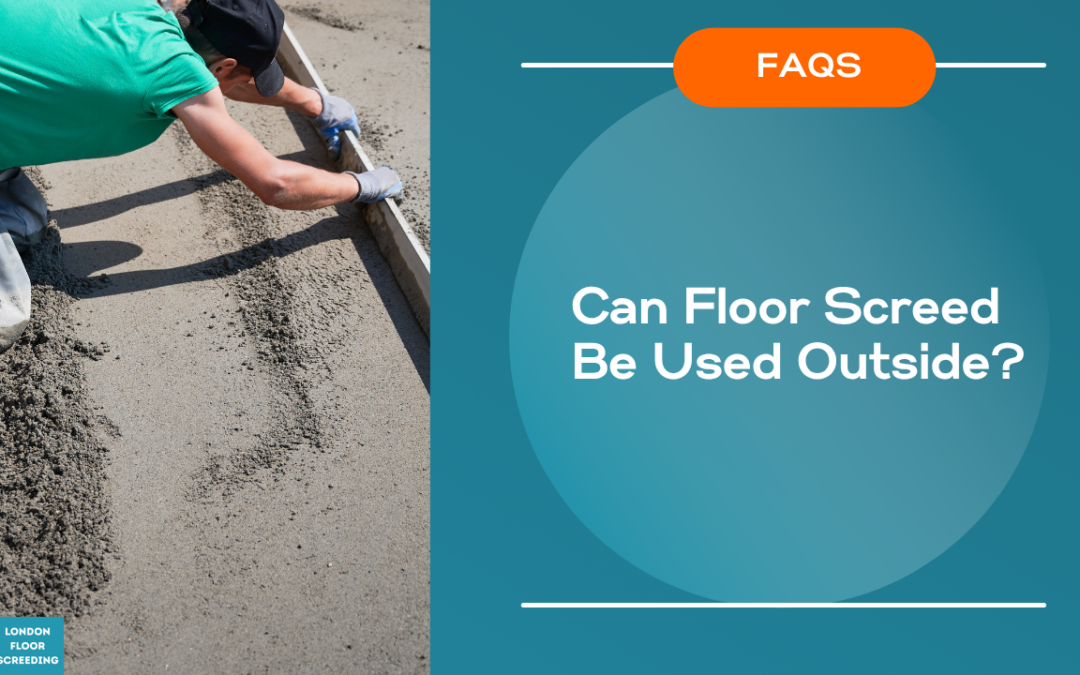
Floor screed is primarily designed for internal floors, so standard screed should not simply be used outdoors without checking that the product and specification are suitable for external conditions. Outdoor floors are exposed to rain, temperature changes, frost and...

by lonflscradmin | Oct 6, 2026 | FAQs, floor screeding
Yes, tiles can be installed onto liquid screed, but the screed needs to be properly prepared first. It should be sufficiently dry, stable and suitable for the chosen tile and adhesive system. Wait for the screed to dry Liquid screed must be allowed to dry before tiles...

by lonflscradmin | Oct 4, 2026 | FAQs, floor screeding
Calculating how much traditional screed you need starts with three measurements: the floor length, floor width and required screed depth. Getting the quantity right helps avoid material shortages, unnecessary waste and delays during installation. Measure the floor...

by lonflscradmin | Oct 2, 2026 | FAQs, floor screeding
Floor screed is a carefully prepared material used to create a smooth, level surface before the final floor covering is installed. The ingredients vary depending on the type of screed and the requirements of the project. Traditional sand and cement screed Traditional...

by lonflscradmin | Sep 4, 2026 | FAQs, floor screeding
Liquid screed is usually priced according to the volume required, although many contractors quote the completed installation by square metre. The overall cost depends on the screed specification, floor area, depth, access and preparation required. What affects the...

by lonflscradmin | Sep 2, 2026 | FAQs, floor screeding
How to mix floor screed, ratios, consistency and common mistakes. Mixing floor screed correctly is essential for achieving a stable, level surface that can support the final floor covering. The correct mix depends on the screed type, application and manufacturer’s...